




Think a simple "Thumbs Up" 👍 is just a friendly "Got it"? Think again. In 2026, dropping that emoji to a Gen Z coworker is basically the digital equivalent of a cold, passive-aggressive stare. In a world where subtext is everything, picking the wrong icon is the fastest way to look completely out of touch—or worse, accidentally start a fight you didn't see coming.
The truth is, internet culture moves at lightning speed. Those familiar icons we’ve been using for years are being rebranded every single day with layers of irony, sarcasm, and inside jokes. What used to be a basic "happy face" might actually be the universal sign for "I'm losing my mind" or "I’m totally over this" in today's social feeds.
If you don't want your messages to get "read" the wrong way, you’ve got to speak the current language. We’ve put together this 2026 survival guide to decode what those iPhone emojis actually mean now. It’s time to level up your digital game and skip the "wait, what did they mean by that?" awkwardness.

Classic iPhone Emojis and Their New Meanings in 2026
Modern Slang & Gen Z Emoji Trends
Cultural Nuances and Social Pitfalls
Creative Emoji Integration Ideas
Classic iPhone Emojis and Their New Meanings in 2026
Emojis keep growing as people find new ways to share emotions through simple icons. Let us explore the newest emojis of 2026 and what they mean in everyday conversations.
1. Melting Face
This emoji shows feelings of awkwardness and emotional burnout when things feel overwhelming. People use it in messages to laugh about awkward moments when everything goes hilariously wrong.

2. Saluting Face
It shows respect and confidence, and is sent when someone finishes tasks or makes a brave statement. Online chats use it humorously after funny self-praise to add dramatic loyalty and mock seriousness.

3. Pink Heart
The pink heart represents soft affection and gentle love without being as strong as a deep red heart. Many people use it between friends when they want to share warmth and relaxed emotions.

4. Mirror Ball
This emoji adds shiny energy to posts, celebrating events, and is a throwback to disco and dance culture. It decorates joyful captions and nostalgic selfies that capture party feelings and carefree night moods.

5. Face with Hand Over Mouth
It expresses shock and amusement when someone reads unexpected news or sees a surprising picture online. People use it to react playfully to shocking confessions and funny mistakes during casual conversations.

6. Shaking Face
This emoji highlights strong emotional responses such as fear and disbelief in dramatic online conversations. Users send it when their emotions feel extreme to exaggerate reactions for humor.

Modern Slang & Gen Z Emoji Trends
Online slang has changed how people use emojis, giving each one new humor. Gen Z users shape these meanings through daily chats and viral trends across social platforms. Simple icons can now express sarcasm and dramatic emotional reactions that words sometimes fail to show. Now, we will look at the most used modern emojis and the feelings they represent today:
| Emoji | Meaning (2026) | Common Use Example | Tone/Emotion |
|---|---|---|---|
| Skull | “I’m dead” (something extremely funny) | Used when laughing hard at a meme or awkward moment | Sarcastic laughter |
| Clown Face | Self-deprecation or calling someone foolish | Shared when someone acts silly or naive | Mocking, playful |
| Sparkles | Adds emphasis or “main character” energy | Decorates phrases like “living my ✨best life✨” | Dramatic, confident |
| Face with Hand Over Mouth | Shocked or keeping a secret | Sent when hearing gossip or surprising news | Curious, surprised |
| Pink Heart | Soft affection or gentle friendship | Added when showing care or comfort to friends or loved ones | Warm, sincere |
| Mirror Ball | Party vibe or celebration mood | Appears in posts about fun events | Joyful, energetic |
These emojis reveal how humor and tone have replaced older, basic meanings people once used casually online. They capture emotions and personalities, turning short sentences into expressive digital conversations everywhere.
Cultural Nuances and Social Pitfalls
Emojis look the same worldwide, and their meanings change across cultures. Sometimes, a friendly emoji can feel rude depending on where it’s used. People must understand these differences to keep messages clear in all types of conversations.
When Meanings Shift Across Cultures
Cultural background shapes how people read emojis, influencing humor and emotional tone online. The same emoji can bring laughter depending on who sees it and where. Now, we will explore some examples that show how emojis can mean different things around the world:
1. Upside-Down Face: Used for jokes or teasing, but can look rude in serious messages.
2. Waving Hand: Means hello in chats, but sometimes also feels like saying goodbye for good.
3. Folded Hands: Shows thank you or please in many places, but prayer in others.
4. Nail Polish: Used to show confidence, but can seem proud or rude sometimes.
5. Face Without Mouth: Shows staying quiet or calm, but can also mean awkward or shy feelings.
These examples show why context matters most when using emojis across global audiences. A small misunderstanding in tone can change how serious your message feels. Thoughtful emoji use helps people express emotion and strengthen online communication worldwide.
Visual Expression Matters
Emojis rely on strong visuals to clearly show emotions, with color, brightness, and detail shaping every message. Small changes in display quality can completely shift how an emoji’s tone or feeling is understood.
A sharp, vivid screen helps each emoji stay expressive, making every smile or sparkle look full of energy. When a display becomes dull or blurry, those bright emotions can fade, confusing tone or intent. A reliable screen protector keeps your phone display clear, preserving detail and color accuracy throughout daily use. Same-color phone cases also help users express their personal style and reflect their favorite emoji shades.
Creative Emoji Integration Ideas
Each emoji shows emotion and identity just as personal accessories reflect personality and taste. They connect feelings and design to help people show style through color and simple choices. Let’s explore how emojis can align with your favorite tech gear in creative ways.
Strategy 1: Color Psychology (Best for Conversions)
Colors influence emotion, just as emoji shades add hidden meaning to every message sent. The black heart emoji, for example, conveys elegance and quiet strength in modern digital language. Many people prefer their devices to reflect that same mood through color choice and reliable protection.
In this case, a Cloud Soft Magnetic Case with Stash Stand by ESR aligns with this meaning while adding dual‑layer camera safety and 11‑foot drop protection. This connection shows how color psychology can influence design choices while keeping your phone safe and neatly matched.

Strategy 2: Screen Experience Connection
Many people enjoy emojis most when the icons are clear and easy to read. A sharp screen keeps small details visible, so expressions like eyes and tiny symbols stay understandable. Scratches and glare can make emojis harder to see, which may change their feeling or meaning.
A strong screen protector can help keep the display clear and guarded during busy daily use. This is where UltraFit Armorite Screen Protector offers 99% transparency and handles up to 110 lbs of impact, keeping emojis vivid.

Strategy 3: Emojis as Product Labels
Emojis can serve as quick labels that highlight a product's main strength or purpose. One symbol can suggest power and comfort faster than reading long lines of written features. The mechanical arm emoji often stands for strong support and long‑lasting reliability.
It suits a case that holds your phone steady, protects it from damage, and supports everyday use. The Classic Hybrid Case with Stash Stand reflects this idea, offering 3X military‑grade drop protection and a built‑in stand for steady viewing.

Strategy 4: Scenario-Based Interaction
Ask readers what kind of driver they are and how they use their phone on the road. Use emojis to show different driving styles, then connect each style with a practical accessory that supports it. For example, ⚡ can fit someone who likes fast, smooth charging while following maps or streaming music.
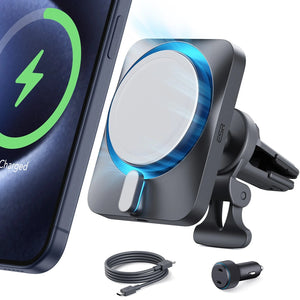
A Magnetic MagSafe Charger with HaloLock provides 1,600 g of magnetic strength and keeps the phone firm in place. It also delivers faster 15W charging, tested at about twice the speed of a standard 7.5W charger.

Final Verdict
To conclude, emoji meanings will keep shifting as online jokes and cultures change together. Learning these updates helps your messages stay closer to what you truly feel. Use emojis and accessories thoughtfully so your digital style matches your real personality. If you enjoy this emoji guide, consider exploring ESR accessories and use code BLOG20 at checkout for 20% off.
People also ask:
Is the Thumbs Up (👍) still safe?
Short answer: Not really. To most people under 30, a lone 👍 feels like a door slamming in their face. It’s the digital version of saying "K." If you want to show you’re actually on board, try the Checkmark (✅) or a quick "Got it!" instead.
What’s the deal with the "Crying-Laughing" face (😂)?
It’s basically the "skinny jeans" of emojis. It’s fine, but it screams "I was born before 1995." If you want to fit in with the iOS 26 crowd, the Skull (💀) or the Loudly Crying Face (😭) are what people use when something is actually hilarious.
Can I use the new AI-generated "Genmojis"?
They’re cool for group chats with friends, but keep them out of your work communications. They can look a bit "cluttered" on professional displays, and you don't want a custom emoji to be the reason a client takes you less seriously.
How to actually find an emoji’s meaning on your iPhone?
If you’re genuinely stuck, your iPhone has a few built-in "cheat codes" to help you out:
- Let Siri explain it: Go to Settings > Accessibility > Spoken Content and turn on Speak Selection. Highlight an emoji in a text and tap "Speak" to hear its official name, which usually clarifies its meaning.
- The search bar hack: Open your emoji keyboard and use the Search box. Type words like "awkward" or "sassy" to see emojis tagged with those emotions.
- Visual Look Up (AI method): If you receive a screenshot or unfamiliar emoji, open the image and tap the "i" icon. In iOS 26, the system can analyze context and suggest what the emojis imply.


